Pracovní místa
How to Get Entry Level Jobs With No Experience
Where to search, what recruiters look for, and the 8 steps that turn applications into interviews
INZERÁT
In less than 10 minutes you will discover how to find, apply for, and actually land entry level jobs, even if your résumé still feels empty. Here’s what you’ll find in this guide:
- A simple step-by-step process to go from zero to your first interview
- The most common entry level roles and what each one asks for
- The skills and requirements employers really care about
- How the hiring process works behind the scenes
- Surprising facts about first-job hunting that most candidates never hear

1. The Step-by-Step Process to Land Your First Job
Getting hired without experience isn’t about luck. It’s about following a clear sequence and repeating it consistently. Here’s the process that works best:
- Define your target. Pick two or three types of roles that match your interests and current skills. Applying to everything usually leads to generic applications that get ignored.
- Build a one-page résumé. Focus on education, volunteer work, school projects, part-time gigs, and transferable skills like communication or organization.
- Create a job search profile. Platforms like Indeed let you upload your résumé, set alerts, and apply to several openings in minutes.
- Filter by “entry level” or “no experience required.” This removes roles you’re not yet a match for and saves hours of wasted applications.
- Tailor each application. Adjust your summary and skills to mirror the words in the job description.
- Apply consistently. Set a realistic daily goal, such as 5 to 10 quality applications.
- Follow up. A short, polite message a week after applying shows genuine interest.
- Prepare for interviews. Practice answers to common questions and research every company before you talk to them.
2. Common Entry Level Roles and What to Expect
Entry level jobs exist in almost every industry. Pay varies widely by location and employer, so instead of fixed numbers, the table below compares what matters most when you’re starting out: how easy it is to get in and where the role can lead.
| Role | Typical Requirements | Ease of Entry | Where It Can Lead |
|---|---|---|---|
| Zástupce zákaznického servisu | Good communication, basic computer skills | Vysoký | Team lead, account manager |
| Retail Associate | Friendly attitude, flexible schedule | Vysoký | Store supervisor, buyer |
| Administrative Assistant | Organization, office software | Střední | Office manager, executive assistant |
| Warehouse / Logistics Associate | Physical stamina, reliability | Vysoký | Shift supervisor, operations |
| Sales Development Representative | Persuasion, resilience | Střední | Account executive, sales manager |
| Junior Data Entry Clerk | Attention to detail, typing speed | Vysoký | Data analyst, operations specialist |
| Hospitality Staff | Teamwork, energy | Vysoký | Shift manager, event coordinator |
Tip: Roles with “high ease of entry” are great for building a track record quickly. After 6 to 12 months, you’ll have real experience to show on your next application.
3. Requirements and Eligibility: What Employers Really Want
Many beginners assume they need a degree or years of experience. In reality, most employers hiring for entry level positions look for potential more than a perfect résumé.
| Requirement | How Important? | How to Show It |
|---|---|---|
| Reliability | Very high | References, attendance record, volunteer work |
| Communication skills | Very high | Clear cover letter, confident interview |
| Ochota učit se | Vysoký | Online courses, certifications, curiosity |
| Basic digital skills | Vysoký | Email, spreadsheets, common software |
| Formal degree | Varies | Often optional for entry roles |
| Previous experience | Low to medium | Projects, internships, freelance work |
Beyond the table, these qualities often make the final difference:
- A positive attitude — managers prefer training someone eager over someone skilled but disengaged
- Availability — flexible schedules can put you ahead of other candidates
- Problem-solving — share a real example of a challenge you handled, even outside work
- Professional presence — a clean online profile and punctual replies matter
4. How the Hiring Process Works in Practice
Understanding what happens after you click “apply” helps you avoid the most common mistakes.
- Automated screening. Many companies use applicant tracking systems (ATS) that scan résumés for keywords. If your résumé doesn’t match the job description, it may never reach a human.
- Recruiter review. A recruiter skims the résumés that pass the filter. This review is usually very fast, so clarity matters.
- Phone or video screen. A short call to confirm your interest, availability, and basic fit.
- Interview. One or more conversations with the hiring manager or team, sometimes including a simple task or test.
- Offer. If everything goes well, you receive an offer with details on pay, schedule, and start date.
To move smoothly through each stage:
- Use simple résumé formatting (no complex graphics or tables that confuse ATS software)
- Include keywords from the posting naturally
- Keep your phone and email ready to respond within 24 hours
- Send a short thank-you message after every interview
5. Deeper Insights to Stand Out From Other Candidates
When hundreds of people apply to the same opening, small details make a big difference. Here are strategies that help beginners get noticed:
Show results, not just duties. Instead of “helped at school events,” write “organized a school event for 150 guests.” Numbers make experience feel real.
Turn everyday experience into skills. Babysitting shows responsibility. Managing a social media page shows digital marketing basics. Group projects show teamwork.
Invest in quick certifications. Short online courses in customer service, spreadsheets, or project basics can strengthen a thin résumé in just a few weeks.
Network without feeling awkward. Tell friends, family, and former teachers that you’re looking. Many openings are filled through referrals before they’re even posted.
Don’t ignore temporary or seasonal work. Temporary positions often turn into permanent offers, and they’re one of the fastest paths into entry level jobs at larger companies.
Apply early. Openings posted in the last few days tend to get more attention from recruiters than older listings. Setting up job alerts helps you be among the first applicants.
6. Curiosities and Surprising Facts About First-Job Hunting
Some facts about the job market surprise even experienced professionals:
- “Entry level” doesn’t always mean zero experience. Research on job postings has found that a large share of entry level listings still ask for some prior experience. The good news: many employers treat this as a preference, not a strict rule, so it’s often worth applying anyway.
- Recruiters scan fast. Eye-tracking studies suggest recruiters spend only a few seconds on an initial résumé scan, which is why clean formatting matters so much.
- Most large companies use ATS software. The vast majority of big employers rely on these systems, so keyword matching is essential.
- Referrals are powerful. Referred candidates are hired at much higher rates than those who apply cold.
- Soft skills are in demand. Employers consistently rank communication and teamwork among the hardest skills to find in new hires.
- Job search is a numbers game. It’s normal to send dozens of applications before landing an offer. Rejection is part of the process, not a reflection of your worth.
7. Final Considerations
Finding your first job can feel overwhelming, but it becomes much simpler when you follow a clear plan. Entry level jobs are the doorway to a long career, and every professional you admire once started exactly where you are now.
Remember the essentials:
- Focus on two or three role types instead of applying to everything
- Keep your résumé clear, simple, and tailored to each opening
- Highlight transferable skills from school, volunteering, and side projects
- Use job platforms with alerts to apply early and consistently
- Follow up after applications and interviews
- Treat each rejection as practice for the next opportunity
Start today: update your résumé, pick your target roles, and send your first applications. Your first “yes” may be closer than you think.
TRENDING_TOPICS
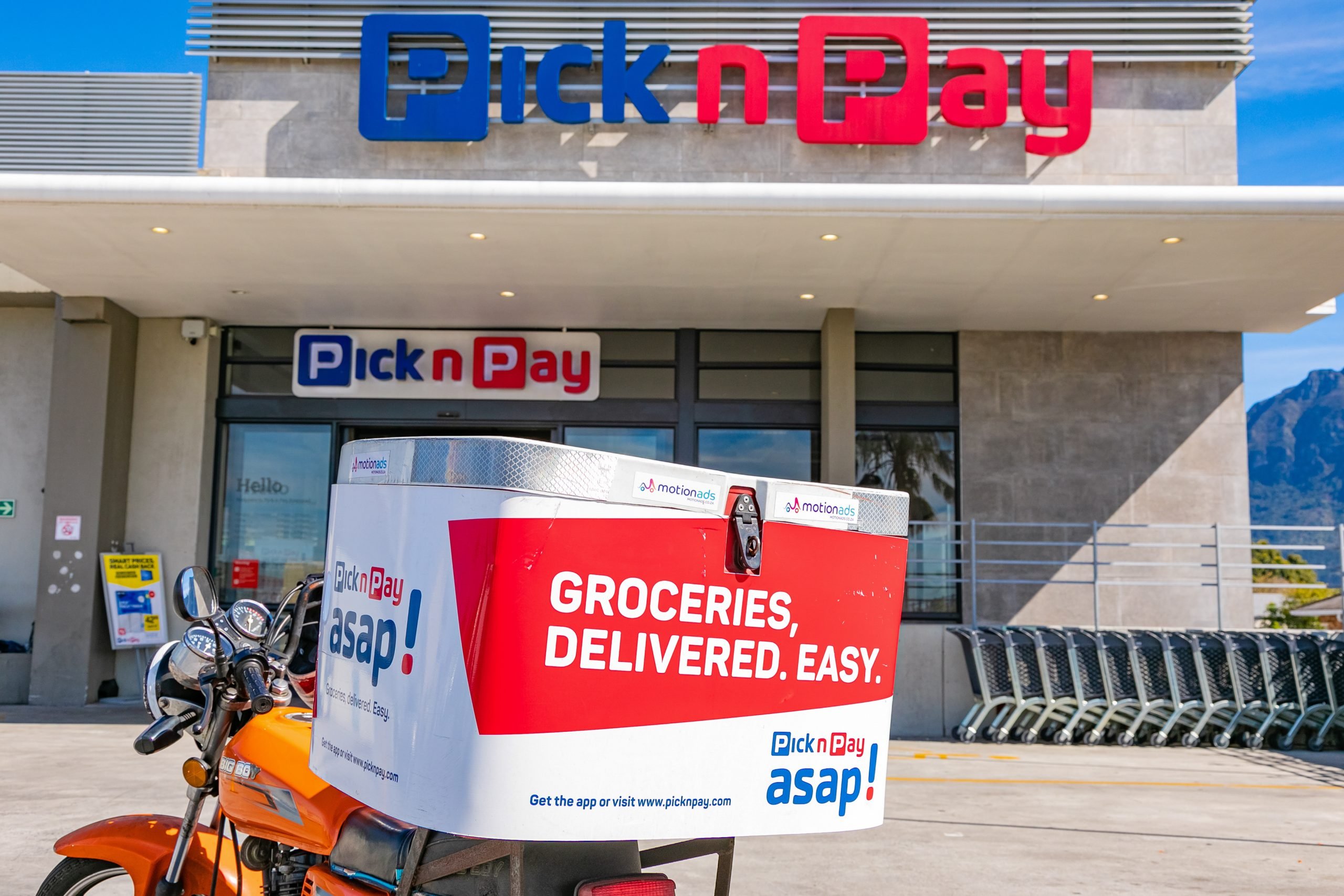
Jak pracovat v Pick n' Pay a začít s platem až 8 000 R měsíčně
Zjistěte, jak získat práci ve společnosti Pick n' Pay s nástupním platem až 8 000 R. Naučte se, jak se ucházet o pozici online a jak se rozvíjet ve společnosti.
Čtěte dál
Více než 43 000 volných pracovních míst ve Walmartu: Zjistěte, jak si vydělat až $25/hodinu
Okamžité volné pracovní pozice ve Walmartu! Více než 43 000 volných pozic po celé zemi s platem až $25/hod. Podívejte se na exkluzivní benefity a zjistěte, jak se přihlásit!
Čtěte dál
Kompletní školení automechaniků – 100% online a zdarma s uznávanou certifikací
Naučte se opravovat vše od standardních aut až po elektromobily – 100% online a zdarma. Získejte uznávaný certifikát. Podívejte se, jak začít ještě dnes!
Čtěte dálMŮŽE SE VÁM TAKÉ LÍBIT

Kompletní průvodce, jak se stát hospodyní v USA – Vydělávejte až $30/hodinu na těchto platformách!
Objevte nejlepší platformy pro nalezení práce hospodyně a vydělejte si až $30/hodinu. Podívejte se na benefity, platy a oblasti, které vydělávají nejvíce! Zjistěte, jak začít.
Čtěte dál
Poptávka po pracovních místech s okamžitou nabídkou v Jižní Africe
Objevte nejvyhledávanější pracovní pozice s platy od 8 000 ZAR. Zjistěte si informace o benefitech, požadavcích a jak se o ně ucházet.
Čtěte dál
Zjistěte, jak získat práci u Pick n' Pay a vydělávat až 8 000 R měsíčně
Kompletní průvodce prací ve společnosti Pick n' Pay. Prohlédněte si platové rozpětí a tipy pro personalisty, abyste se odlišili. Zjistěte, jak začít ještě dnes!
Čtěte dál


